

What is Hepatic Encephalopathy?
Hepatic encephalopathy (HE) is a complication of cirrhosis, a severe form of chronic liver disease. One of the important functions of the liver is to clean the blood. When the liver is damaged, it can no longer properly clean toxins (like ammonia) from the blood. This buildup of toxins can reach the brain, potentially causing HE and worsening brain function.
HE symptoms can affect both the body and mind; and in early stages, they may be hard to notice. With the right management plan and care team, including appropriate medications and lifestyle changes, you and your healthcare provider can work together to help manage the condition.
Hepatic encephalopathy can be considered either “covert” or “overt”:

Covert hepatic encephalopathy
Symptoms are minimal and can often go unnoticed, even by a healthcare provider. A few of these symptoms are listed below.

overt Hepatic encephalopathy
Symptoms are more noticeable to other people. For example, you might appear confused, have slurred speech, or seem unusually sleepy.

Watch these videos to learn more about disease management and the importance of a supportive care team.
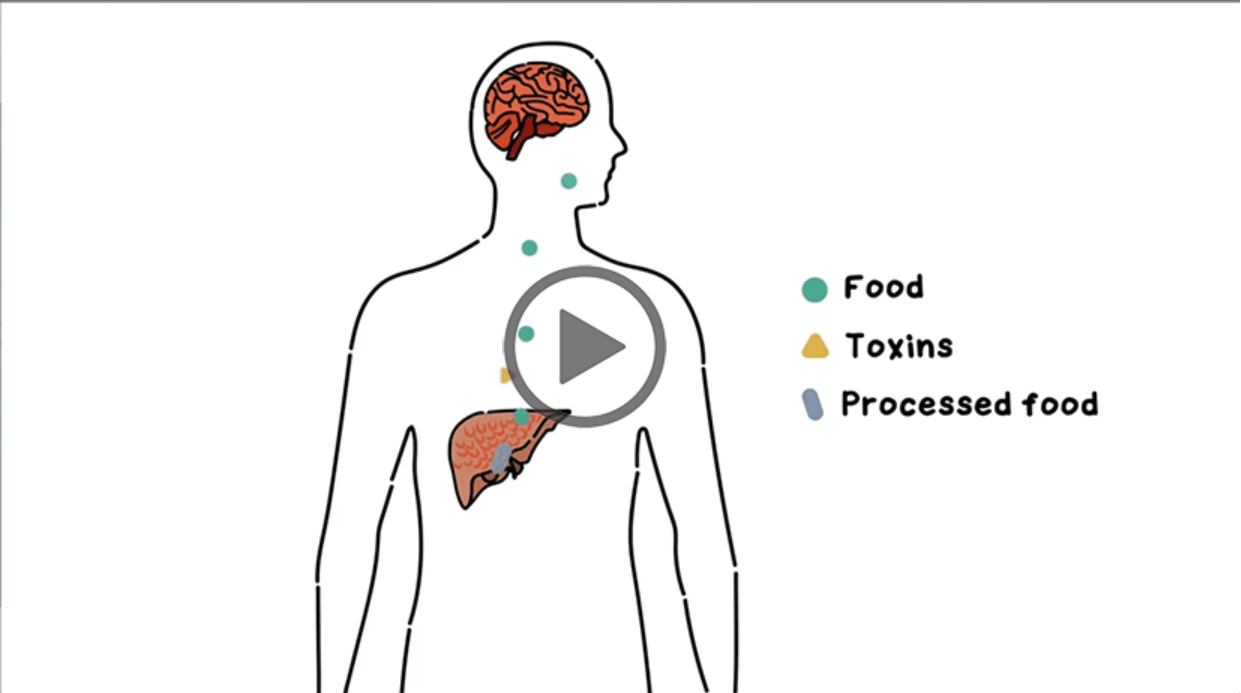


Watch these videos to learn more about disease management and the importance of a supportive care team.




The Symptoms of Hepatic Encephalopathy
Your healthcare provider may tell you what "grade" of HE you or your loved one has.
Milder forms, called covert HE, include minimal HE and grade 1. These can be hard to notice.
More serious forms, called overt HE, include grades 2, 3, and 4, with grade 2 being least severe, and grade 4 being most severe.
Hepatic encephalopathy symptoms outlined by grade include:
| GRADE |  |
 |
 |
 |
| SYMPTOMS |
|
|
|
|
If you have chronic liver disease, such as cirrhosis, and you or a loved one notice any of these symptoms, talk to your healthcare provider about the possibility of HE. The sooner HE is diagnosed and treated, the better you can manage the condition.
After someone starts to show HE symptoms or has an overt hepatic encephalopathy episode, they are at risk of having more overt episodes in the future. These episodes may lead to hospitalizations, so it’s important to stay in close contact with your care team and follow your management plan.
Use our symptom tracker to track your symptoms at home and talk to your healthcare provider about your symptom progression.

Managing Hepatic Encephalopathy
It will take teamwork among you, your loved ones, and your healthcare provider(s) to help manage HE.
Scheduling regular appointments with your healthcare provider is important for managing HE. Your HCP can confirm if your management plan is working and shift plans as needed. Be open and honest with your HCP about how you’re feeling, including any symptoms or challenges you’re facing – these can make a big difference in your care.
Download these tip sheets to help talk to others about your HE.


Managing Hepatic Encephalopathy
It will take teamwork among you, your loved ones, and your healthcare provider(s) to help manage HE.
Scheduling regular appointments with your healthcare provider is important for managing HE. Your HCP can confirm if your management plan is working and shift plans as needed. Be open and honest with your HCP about how you’re feeling, including any symptoms or challenges you’re facing – these can make a big difference in your care.
Download these tip sheets to help talk to others about your HE.

Learn About a Medication
Learn more about a medication option that may help adult patients with overt hepatic encephalopathy.

Each HE experience is unique, yet many others are navigating a similar path to diagnosis and treatment too.
Watch this video to learn more about the disease experience.
WATCH THE VIDEOHED.0049.USA.24V2.0

Each HE experience is unique, yet many others are navigating a similar path to diagnosis and treatment too.
Watch this video to learn more about the disease experience.
WATCH THE VIDEO